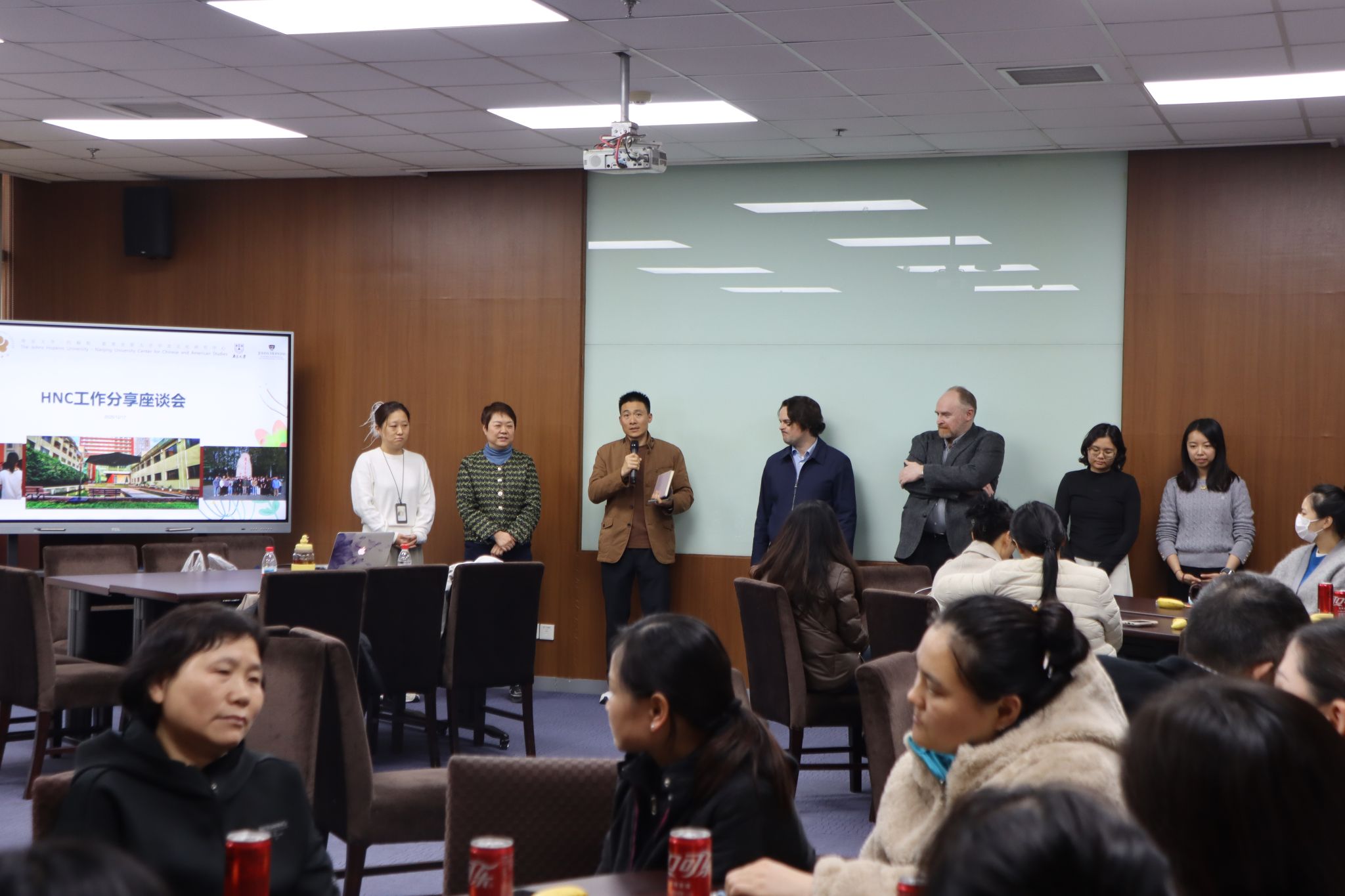
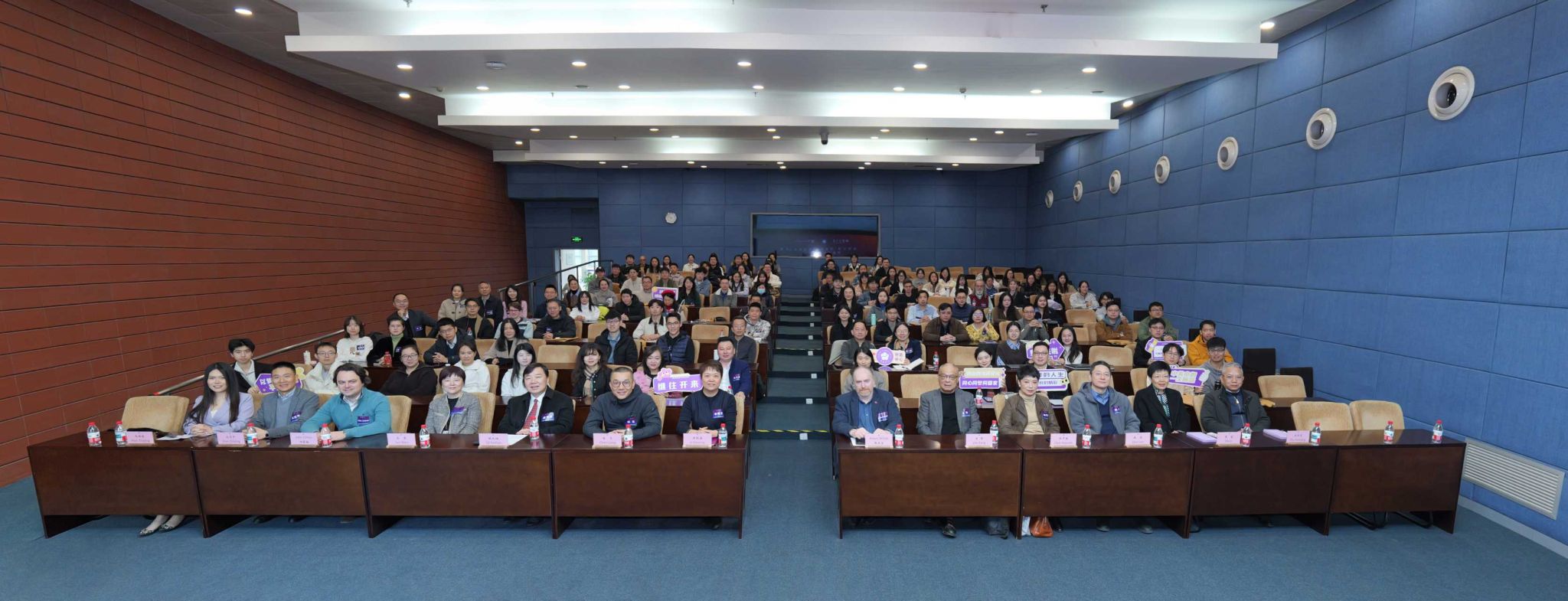
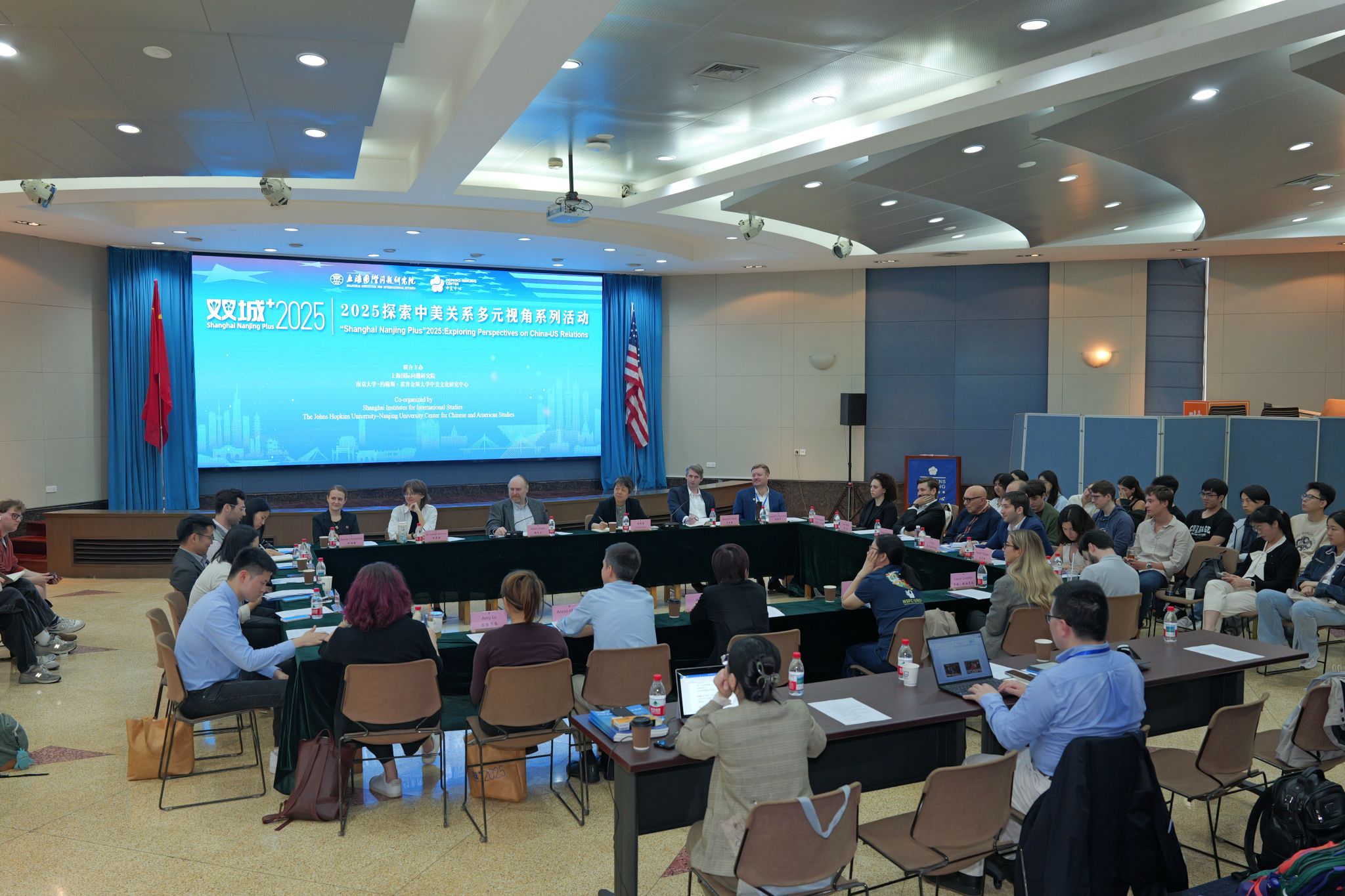
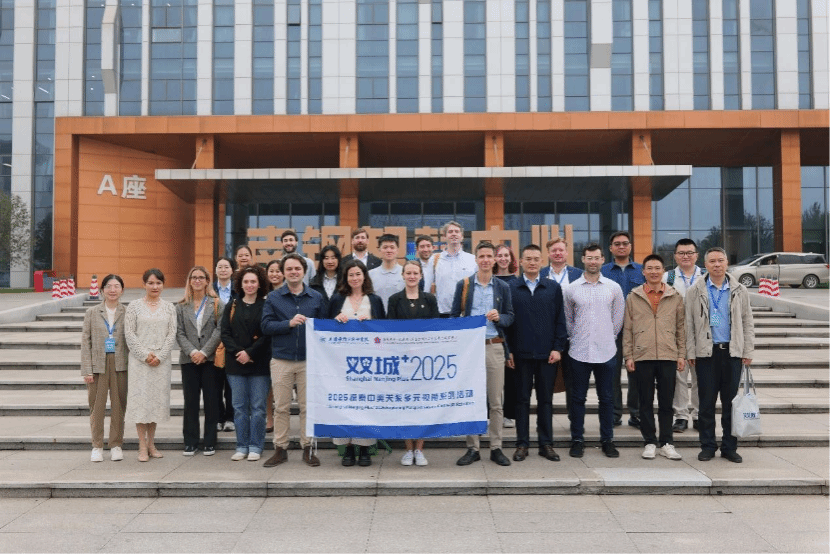
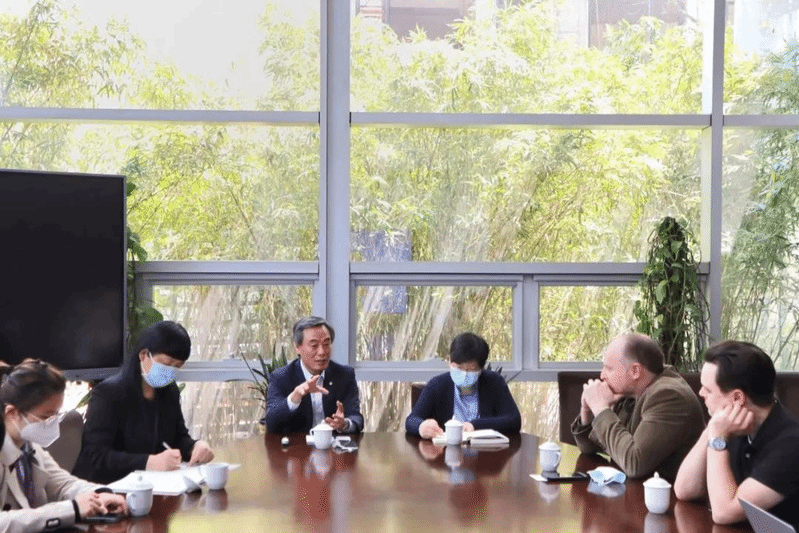
On 27 April, Professor Zhang Guihong, a doctoral supervisor and director of the Center for the Studies of the UN andInternational Organizations, Institute of International Studies, Fudan University, was invited to the Nanjing University-Johns Hopkins University Center for Chinese and American Studies (hereafter referred to as HNC) to give a lecture on “Multilateralism, the United Nations and China’s Multilateral Diplomacy.”Professor Zhang was joined by Associate Professor Liu Heqing from School of Marxism,Hohai University.The lecture was chaired by Professor Cong Cong, Chinese co-director of HNC. Also present were Professor Adam K. Webb, American co-director of HNC, John Urban, deputy American co-director, and Deng Yunyi, director of the International Organizations Department of the Center for Career Development, Nanjing University.
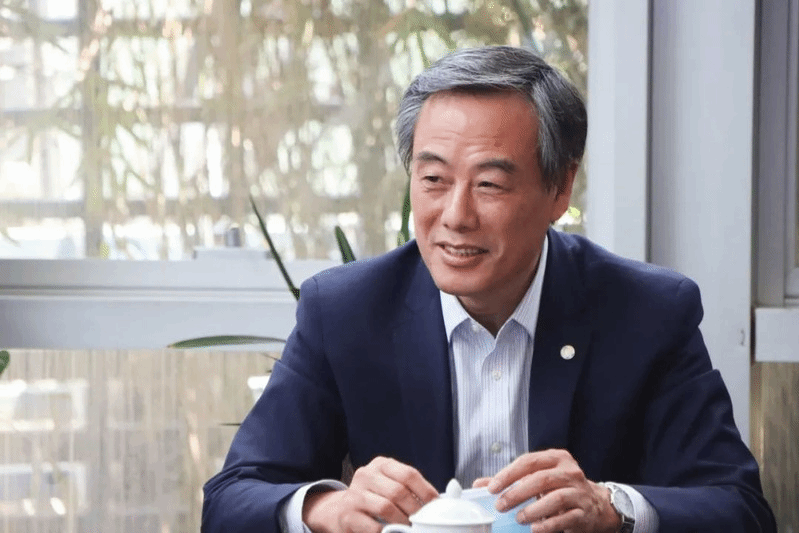
Lecturer: Professor Zhang Guihong
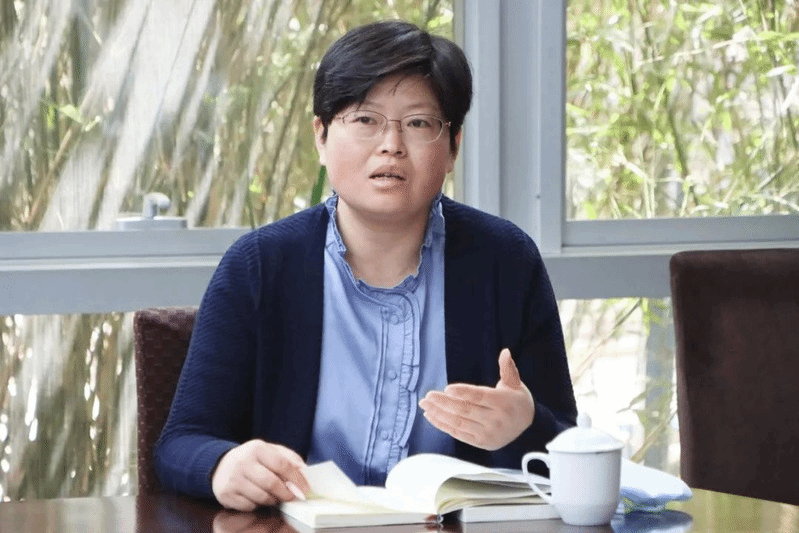
Guest speaker: Associate Professor Liu Heqing
At the beginning of the lecture, Co-Director Cong CongwelcomedProfessorZhang Guihong and Associate Professor Liu Heqing to HNC andintroducedthem to the audience.
Professor Zhang Guihong believes that multilateralism involves international cooperation, global governance, and international organizations. The United Nations is a multilateral organization, and multilateral diplomacy is an important practice of China’s diplomacy. Therefore, Professor Zhang Guihong intends to give a lecture based on the connections of the three—international cooperation, global governance, and international organizations.
1. The concept and origin of multilateralism
Professor Zhang Guihong notes that multilateral is obviously opposite to unilateral and bilateral. “Multilateral” means three or more countries, which form an interactive structure and relationship. Multilateralism can be in different forms, such as multilateral institutions, multilateral organizations, and multilateral conferences. Generally speaking, multilateralism requires that common activities are carried out for common goals. Multilateralism features three stages. First, a consensus is reached on a certain issue; then, norms or regulations are established; and finally, the norms or regulations are implemented. Professor Zhang briefed the audience on the development of multilateralism. In the 20th century, with the United States taking the lead, multilateralism became organizational, normative, and institutional, the founding of the United Nations being one example. In the 21st century, multilateralism manifests itself in a new form—global governance became representative of governance-oriented or flexible multilateralism, with G20, BRICS, and Shanghai Cooperation Organization being the exemplary outcomes. China advocates “multilateralism in its true sense.” Its core is to maintain and strengthen the authority of the United Nations; its principle is extensive consultation, joint contribution and shared benefits; and its goal is to build a community with a shared future for mankind.
2. The United Nations through the lens of multilateralism
Professor Zhangpoints out that international organizations are the institutionalized manifestation of multilateralism. As the makers of international rules, providers of public goods, and promoters of global agendas, international organizations are the main platforms and forces for international cooperation and global governance, and the United Nations is currently the highest-level product of multilateralism and the most authoritative and representative multilateral organizations as well. Multilateralism is not only a stage, but also a subject. The three pillars of the United Nations are peace, development, and security.The perceptions of the United Nations differ between China and the United States, as well as between developed and developing countries. The United Nations is an intergovernmental international organization, and its effectiveness declines when conflicts arise among major powers, but increases when these powers coordinate with each other. While the United Nations is not omnipotent, it cannot be disregarded. The United Nations is continuously undergoing reforms to enhance its authority and efficiency. Among these reforms, the initiatives taken by Secretary-General Kofi Annan were more substantial, introducing peacekeeping operations and the promotion of peace into the United Nations. Different countries have different demands and positions regarding United Nations reform. Regarding this topic, Professor Zhang put forth several viewpoints. United Nations reform needs to undergo a transformation: from power logic to capability logic, from hegemonic governance to cooperative governance. The United Nations should become the center of global governance, promote human values, and serve humanity.
Professor Zhang Guihong traced the historical development of China’s relationship with the United Nations. China was not a member of the United Nations until 1971. However, after 1971, China regained its seat in the United Nations. Currently, China is a permanent member of the United Nations Security Council and the largest developing country. China and the United Nations are mutually interdependent. China’s development and diplomacy require the mechanisms and platforms provided by the United Nations, while the United Nations needs China's support and participation to enhance its authority and efficiency.
3.China, the United States, and international organizations
In Professor Zhang Guihong’s view, international organizations serve as new spaces and new domains for Sino-US relations, and they are also key factors influencing the future development of Sino-US relations. As the world’s two largest economies and permanent members of the United Nations Security Council, Sino-US relations play a decisive role in shaping the international landscape and international order. The competition and cooperation between China and the United States within international organizations impact the reshaping of international rules, the reconstruction of the international order, the restructuring of international leadership, and the transformation of global governance systems. Sustainable peace and sustainable development are global agendas promoted by the United Nations with active participation from numerous international organizations. China is committed to practicing true multilateralism and actively plays a constructive and leading role in international organizations.
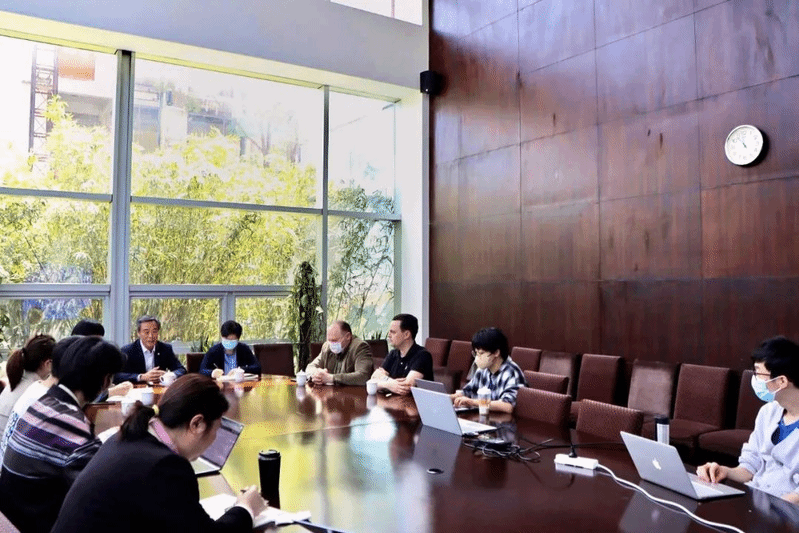
Afterwards, Professor Zhang Guihong exchanged ideas with Associate Professor Liu Heqing, Director Adam Webb, and offline and online audiences. They discussed topics such as competitive multilateralism, the next steps for United Nations reform, competition and cooperation between China and the United States within international organizations, the relevance of the United Nations framework, the diffusion of international norms in the Global South, balancing domestic development and international diplomacy, debt restructuring for developing countries, and how multilateralism promotes state negotiations and cooperation.
At the end of the lecture, Chinese Co-Director Cong Cong expressed her gratitude once again to Professor Zhang Guihong and Associate Professor Liu Heqing for their insightful presentations and dialogues, which deepened the audience’s understanding and contemplation of multilateralism, the United Nations, and multilateral diplomacy. The audience warmly applauded Professor Zhang Guihong and Associate Professor Liu Heqing, and the lecture concluded successfully.